
At BitFog, we recently evaluated Novant.io within a live commercial office building connected to a BACnet-based building automation system.
What stood out was not just the visibility Novant provides into HVAC systems, but the architecture they are building around safe access to operational building infrastructure.
Traditional BAS environments were never designed for direct interaction with modern AI systems, analytics platforms, or autonomous software agents. Direct BACnet integration can introduce real operational risks, including excessive polling traffic, unstable MS/TP behavior, uncontrolled write access, and disruption to live building systems.
This issue is becoming more important as powerful agentic development platforms like OpenClaw and other AI coding systems make advanced automation accessible to a much wider audience. Many users deploying these tools may not fully understand the operational sensitivity of BAS environments or the impact that aggressive polling, malformed requests, or uncontrolled automation loops can have on building networks and field controllers.
Novant addresses this problem by acting as a structured abstraction layer between modern software and the underlying BAS network. Instead of every application or AI agent communicating directly with field devices, Novant centralizes discovery, polling, normalization, and API access while insulating fragile operational infrastructure from experimental workloads.
During testing, we also observed continued improvements to the platform’s discovery workflows and higher-level building abstractions such as Spaces and Space Points. Features that break large supervisory controllers into smaller, easier-to-manage building systems show that Novant understands the complexity of real-world building automation environments.
As AI adoption accelerates across commercial real estate, platforms like Novant could become increasingly important as safe operational gateways for intelligent building systems.
In our view, AI agents should not communicate directly with fragile BAS infrastructure. They should communicate with platforms specifically designed to safely manage those interactions.
 When bats returned to the attic after a professional exclusion, I built a custom detection system using a USB ultrasonic microphone, night vision RTSP cameras, a Raspberry Pi 5, and a bit of Python. The setup automatically captured echolocation calls and matched them with video, helping pinpoint the exact entry point, no attic trips required. Lewis Pest Control honored their guarantee and sealed the spot for free.
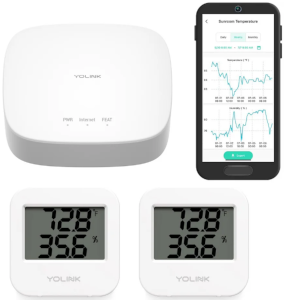 Use YoLink temperature sensors to monitor and document room conditions in your office or apartment building, perfect for proving HVAC issues to landlords or managing properties remotely. With a low-cost hub and sensor setup, real-time alerts, and long-range LoRa wireless, YoLink is ideal for commercial buildings. Expand with leak detectors, motion sensors, smart plugs, and more for a full smart monitoring system.
 Think AI is too complex or expensive for your business? Think again. This post breaks down three simple, practical ways local companies are using AI right now, like answering phones, managing email, and scheduling appointments. If you’re curious but cautious, this is a great place to start.