
We have been developing woob as a modern property technology platform focused on communication, operational visibility, and AI-assisted tenant interaction for commercial buildings.
One of the most important architectural decisions we made early in development was treating voice AI, web applications, and operational workflows as part of the same system instead of building them as isolated tools.
To accomplish this, we integrated Vapi for voice AI capabilities while using the same backend infrastructure that powers the woob web platform.
This means the same operational data and APIs used by the website can also be accessed through AI-driven phone calls, voice assistants, kiosks, and future conversational interfaces.
Instead of maintaining separate systems for:
- tenant communication
- website functionality
- phone systems
- building data access
- service requests
woob centralizes these functions into a shared backend architecture.
Using a common Firebase-based backend allows both web users and voice AI systems to:
- retrieve property information
- answer tenant questions
- access leasing data
- create operational requests
- interact with building systems
- maintain consistent business logic across interfaces
This architecture also simplifies future expansion into:
- AI receptionists
- tenant self-service workflows
- maintenance dispatching
- voice-enabled kiosks
- building operations copilots
Rather than viewing voice AI as a standalone feature, we believe conversational systems will become a primary interface layer for commercial real estate operations. Building the backend correctly from the beginning allows those interfaces to evolve without rebuilding the operational platform underneath them.
 When bats returned to the attic after a professional exclusion, I built a custom detection system using a USB ultrasonic microphone, night vision RTSP cameras, a Raspberry Pi 5, and a bit of Python. The setup automatically captured echolocation calls and matched them with video, helping pinpoint the exact entry point, no attic trips required. Lewis Pest Control honored their guarantee and sealed the spot for free.
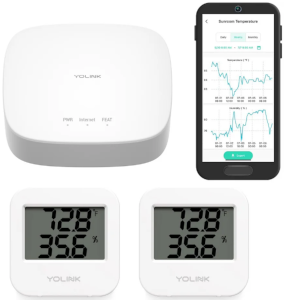 Use YoLink temperature sensors to monitor and document room conditions in your office or apartment building, perfect for proving HVAC issues to landlords or managing properties remotely. With a low-cost hub and sensor setup, real-time alerts, and long-range LoRa wireless, YoLink is ideal for commercial buildings. Expand with leak detectors, motion sensors, smart plugs, and more for a full smart monitoring system.
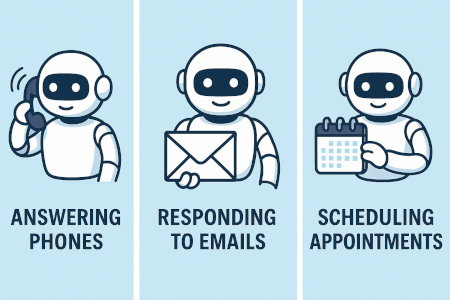 Think AI is too complex or expensive for your business? Think again. This post breaks down three simple, practical ways local companies are using AI right now, like answering phones, managing email, and scheduling appointments. If you’re curious but cautious, this is a great place to start.